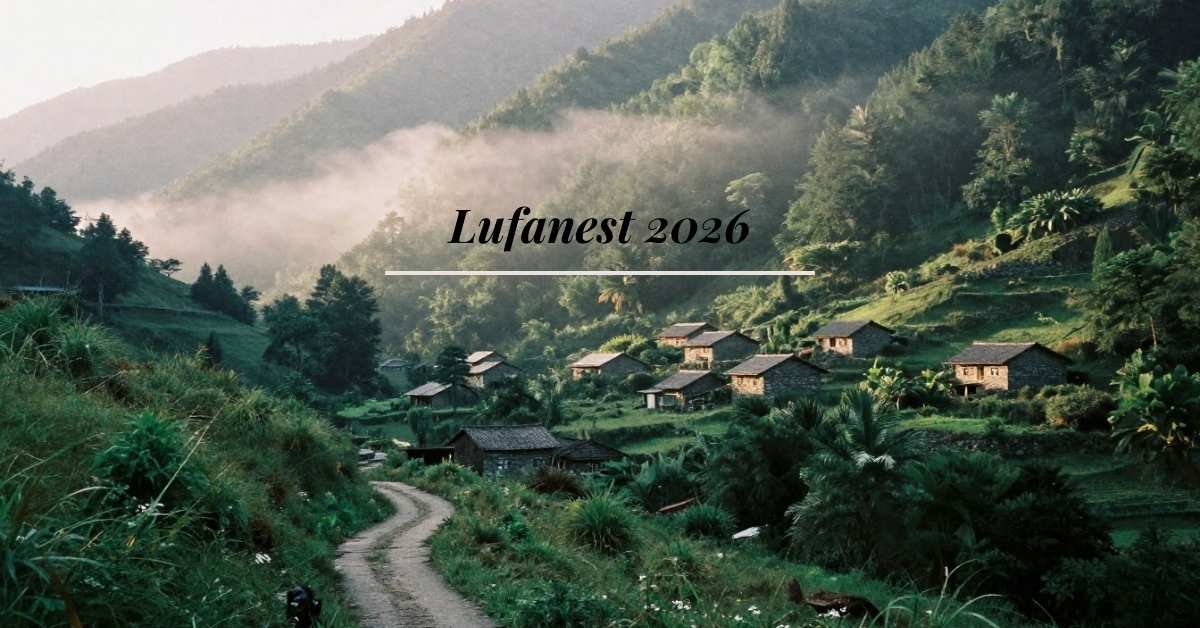
Tucked away from the usual tourist circuit lies an enchanting destination waiting to be discovered: Lufanest. While it doesn’t often make mainstream travel headlines, seasoned travelers and cultural explorers are increasingly drawn to its authenticity, scenery, and deep-rooted traditions. Whether you’re in search of untouched landscapes, soulful experiences, or simply something off the beaten path, Lufanest offers all that — and much more.
This updated 2026 guide covers all you need to know from must-see attractions and historical significance to practical travel tips, best times to visit, and expert-recommended itineraries. If you’ve been asking why seasoned explorers are skipping overhyped cities in favor of places like Lufanest, this detailed breakdown is for you.
Where Is Lufanest and Why Is It Gaining Attention?
Though not a household name, Lufanest is a rising name among global travelers looking beyond conventional tourism. It’s known for its ecological diversity, medieval towns, and local traditions that have remained largely untouched by commercialization.
Key Highlights:
- Situated in an ecologically preserved region
- Known for sustainable living initiatives
- Culturally rich with multi-ethnic roots
Lufanest’s tourism board has also taken steps to promote responsible travel — reinforcing its image as an eco-conscious travel hub as of 2026.
Top Things to Do in Lufanest
Visitors often say they went seeking nature and found something deeper — connection. The region isn’t about flashy attractions but meaningful experiences.
Must-See & Do:
- Ancient Stone Citadel Tours – Architecture dating back 800 years
- Local Craft Markets – Handwoven textiles, ceramic work, natural dyes
- Wild Preserve Trails – Protected wildlife tours with certified naturalists
- Mountain Villages – Some populations still live entirely off the grid
- Evening Story Circles – A cultural tradition passed down orally for centuries
Best Time to Visit Lufanest (By Season)

Lufanest microclimate regions support different types of travel across the year. Here’s when to go based on what type of experience you prefer.
Seasonal Guide
| Season | Main Activities | Travel Vibe | Crowd Level |
|---|---|---|---|
| Spring (Mar–May) | Flower festivals, hiking, cultural celebrations | Mild, scenic | Low–Medium |
| Summer (Jun–Aug) | Forest retreats, eco-lodges, harvest work trips | Warm, vibrant | Medium |
| Autumn (Sep–Nov) | Art fairs, food markets, storytelling events | Cool, high-energy | High |
| Winter (Dec–Feb) | Solitude, photography, spiritual retreats | Cold, serene | Very Low |
Accommodations: Where to Stay in Lufanest
Lufanest prides itself on sustainable hospitality. From off-grid mountain homes to locally owned eco-lodges, staying here is part of the experience.
Types of Accommodations
- Eco-Cabins – Rainwater systems, solar-powered, locally sourced interiors
- Village Homestays – Live with families, partake in daily rural life
- Low-Impact Hostels – Great for solo travelers with curated experiences
- Riverside Heritage Inns – Refurbished 18th-century homes
Booking Tip: Accommodations often don’t appear on large travel sites; consider using regional booking agencies or contacting directly.
How to Get to Lufanest
Reaching Lufanest is part of the charm — it’s not easily accessed via typical tourism channels. But for travelers, that’s often a good sign.
Travel Routes to Lufanest:
- Nearest major city: Enovia (~3.5 hours by road or train)
- By air: Regional airport (LUF) operates limited eco-friendly flights
- Public transportation: Well-connected bus and rail lines now integrated with national smart-card systems (2026 update)
- Eco-route: Popular among slow-travelers is a 4-day trek from the Zandrian Forest Trails, leading directly into northern Lufanest
Culture and History: The Soul of Lufanest
More than just a destination, Lufanest is an experience layered with complexity. It has served historically as a crossroad between nomadic and agrarian civilizations.
Cultural Pillars:
- Language resilience: One of the few places preserving the Ardanox script
- Architecture: Clifftop dwellings with earth-friendly designs
- Annual “Quiet Festival”: A celebration of silence and reflection
In 2026, UNESCO has preliminarily listed the central province on its World Heritage shortlist — recognition that could bring international attention.
Sustainability Initiatives: Travel With Purpose
Lufanest isn’t just preserving its natural and cultural assets—it’s innovating quietly. It’s one of the few destinations today where destination stewardship is a philosophy, not a marketing gimmick.
2026 Sustainability Highlights:
- Zero-plastic village zones expanded from 12 to 18
- Community-run reforestation programs welcome traveler volunteers
- All energy now generated from localized green grids
- Visitor carbon-offset programs required on all overnight stays (>3 nights)
What to Pack for a Trip to Lufanest
Because of its varied elevation and weather, packing requires thought.
Essentials Packing List
| Category | Recommendations |
|---|---|
| Clothing | Layered wear, waterproof boots, wool socks |
| Tech | Solar charger, universal adapter, offline maps |
| Travel Gear | Lightweight pack, water filtration bottle |
| Local Currency | Cash often preferred in village zones |
| Others | Journal, reusable tote, compact binoculars |
FAQs
1. Is Lufanest safe for solo travelers?
Yes, travelers report high safety, especially in main zones.
2. Can I travel to Lufanest without a guide?
You can, but local-certified guides offer deep insight rarely available online.
3. What’s the cost of budget travel in Lufanest?
Approximately $35–$50/day, including meals and lodging.
4. Are there vegetarian or vegan options?
Increasingly common, especially in eco-lodges and towns practicing plant-based traditions.
5. Is Lufanest child-friendly?
Yes—some accommodations and routes are family-approved.
Making the Most of Your Visit
Your visit to Lufanest won’t be about snapping pics at tourist traps. It’ll be about sitting with locals under stars, eating fresh bread baked in 100-year-old clay ovens, and perhaps walking five miles because the view demands it.
Last Minute Tips:
- Respect local silence customs, especially in sacred zones
- Learn greetings in the local dialect—it matters
- Choose one village and dive deep, rather than shallow-hop
Conclusion
In a time where mass tourism often strips destinations of their soul, Lufanest stands tall in authenticity. It’s not for everyone—but that’s precisely its appeal. Those who do journey here often find the grounding, perspective, and connection they were quietly seeking.
As travel in 2026 evolves to favor purposeful, respectful, and immersive discovery, Lufanest is not just a place to visit — it’s a place to belong, if only for a moment.