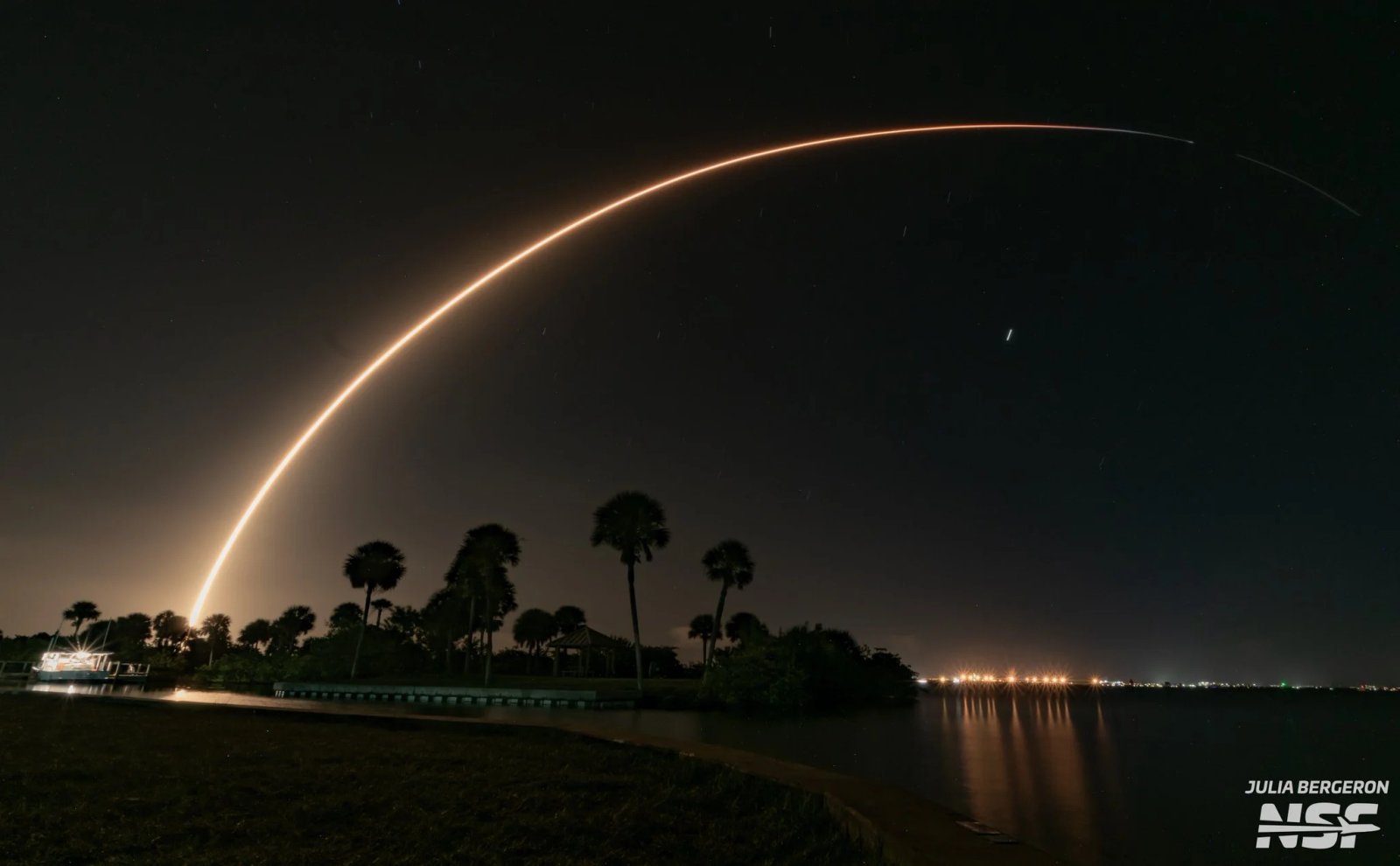
Launch Preview: Swift rescue mission, final Atlas satellite launch
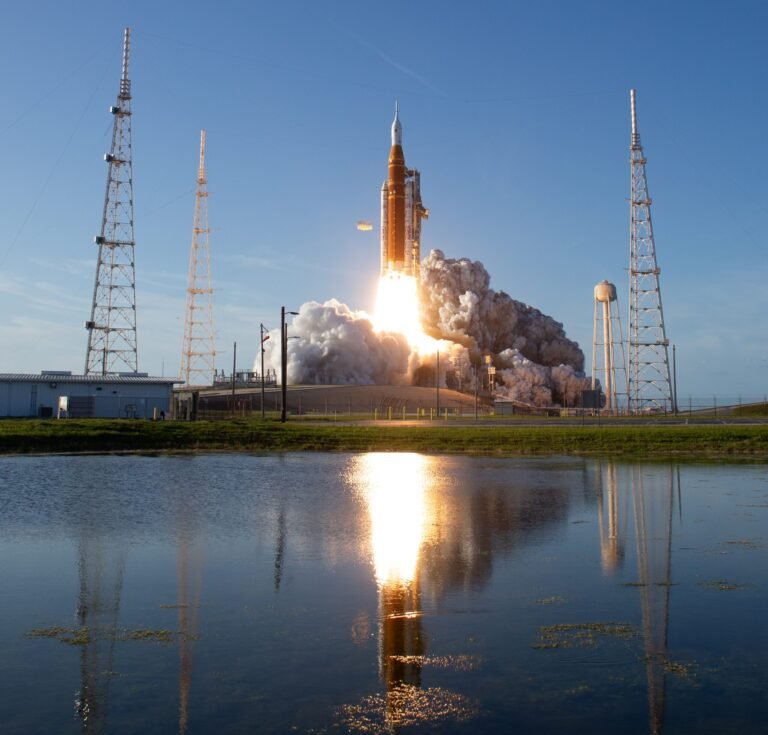
Even from a distance of several kilometres, the Artemis II rocket looked huge. Then, there was a moment that felt like an eternity, as around 2,600 metric tons of spacecraft lifted off. I was honoured to receive an invitation from the Canadian Space Agency to attend this historic launch at NASA’s Kennedy Space Center. I…
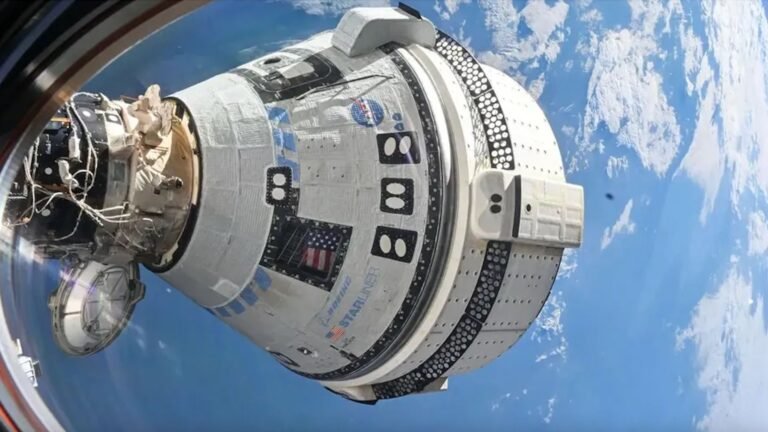
It’s unclear when Boeing will be able to send more astronauts to the International Space Station, a new NASA audit warns. Technical issues with Boeing Starliner’s spacecraft, across two uncrewed flights and a two-astronaut test mission known as Crew Flight Test (CFT), come under scrutiny in a new report about NASA‘s Commercial Crew Program from…

Introduction: In this article, I’ll delve into the captivating realm of human endurance beyond our home planet—specifically, the feasibility of surviving long-duration space missions to other planets. As space exploration advances, the prospect of venturing beyond Earth’s confines to destinations like Mars or even farther becomes increasingly tantalizing. However, embarking on these interplanetary odysseys…
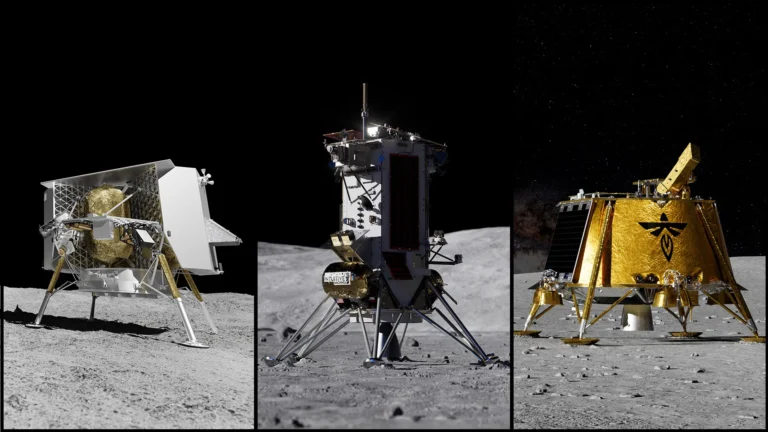
Three new contracts are going to companies that will be building a series of lunar landers. From left to right: Astrobotic’s Griffin lander, Intuitive Machines’ Nova-C, and Firefly Aerospace’s Blue Ghost. Astrobotic / Firefly / Intuitive Machines On June 30th, NASA announced additional details about its new plans for the Moon. The agency announced new…
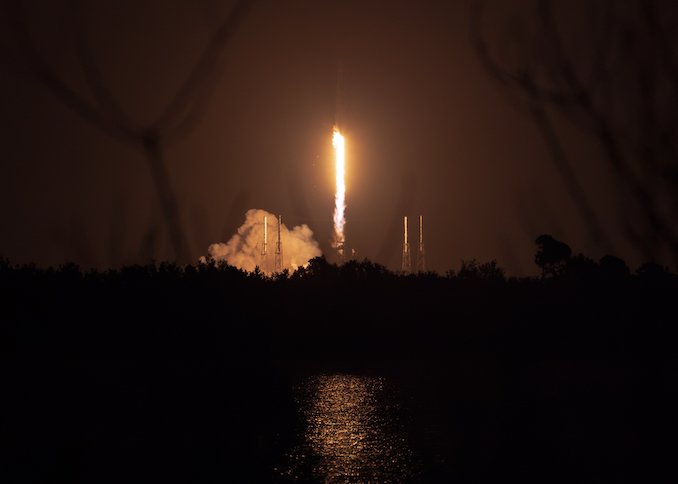
A SpaceX Falcon 9 rocket lifts off from Space Launch Complex 40 at Cape Canaveral Space Force Station to deliver SiriusXM’s SXM-11 satellite to a geosynchronous transfer orbit. Image: Adam Bernstein/Spaceflight Now A SpaceX Falcon 9 rocket launched Sunday carrying a multi-ton, radio-broadcasting satellite for SiriusXM’s to replace two aging satellites in geostationary Earth orbit….
Probably not, according to Eric Schwitzgebel, a distinguished professor of philosophy at the University of California, Riverside. In a new working paper, Schwitzgebel and Jeremy Pober, a former UCR graduate student who is now a postdoctoral researcher at the University of Lisbon, argue that conscious beings may be possible even if they are built from…