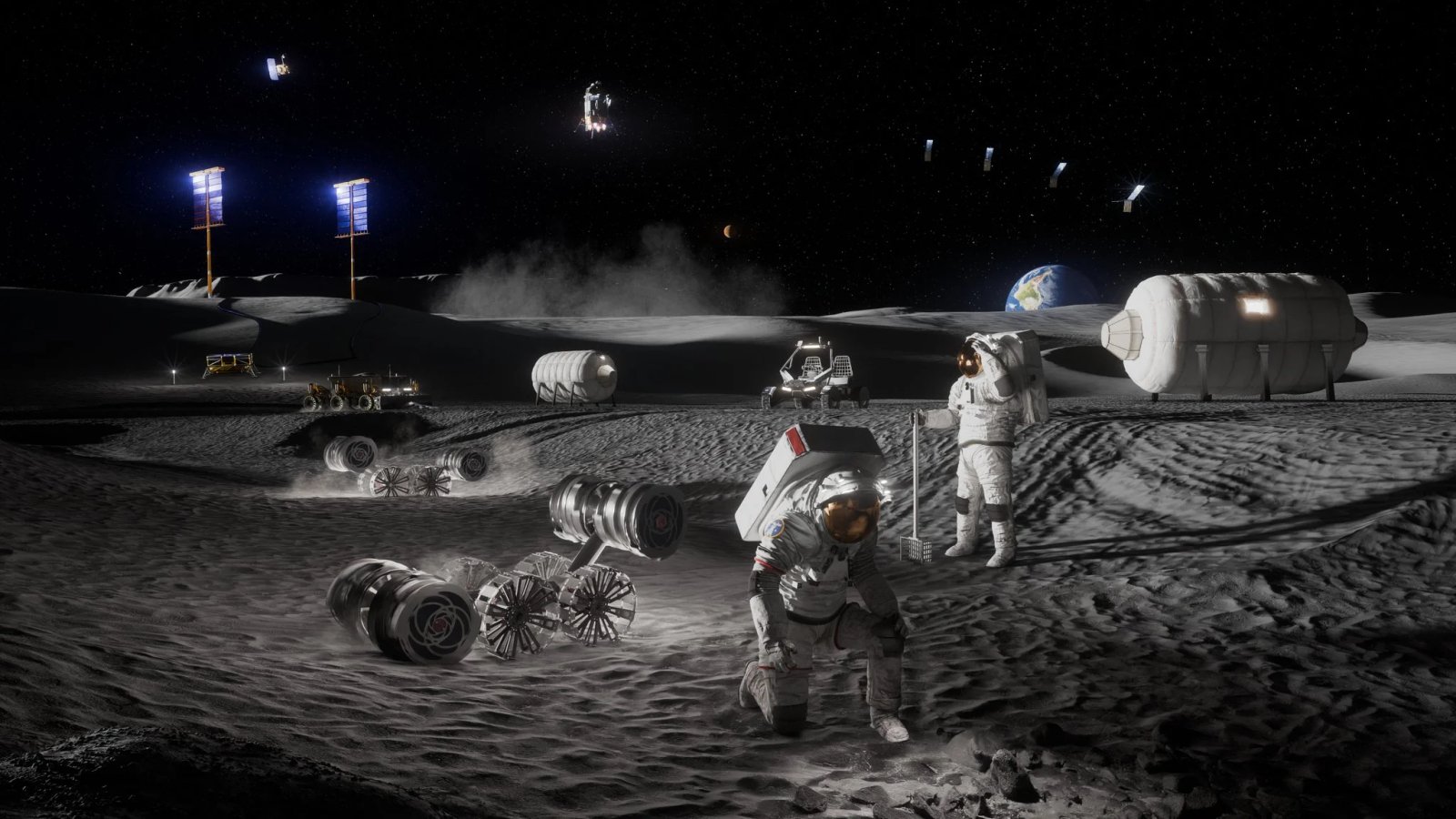
NASA announces new lander contracts for Moon Base Phase One
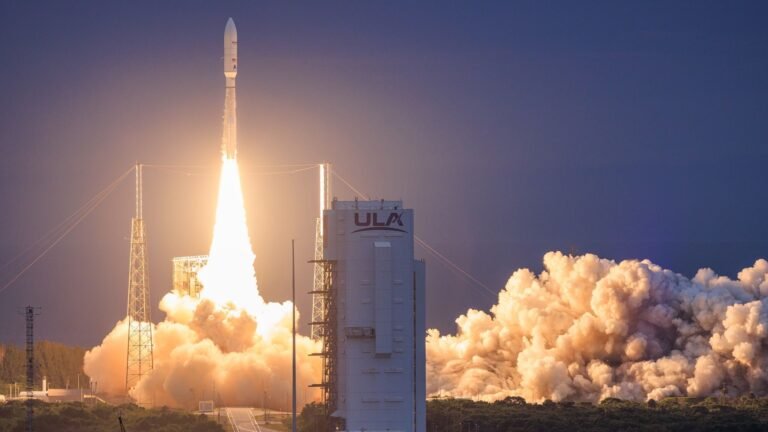
United Launch Alliance (ULA) will launch another batch of Amazon’s internet satellites to orbit early Thursday morning (July 2), and you can watch it live. An Atlas V rocket carrying 29 Amazon Leo spacecraft is scheduled to lift off from Florida’s Cape Canaveral Space Force Station on Thursday, during a 29-minute window that opens at…
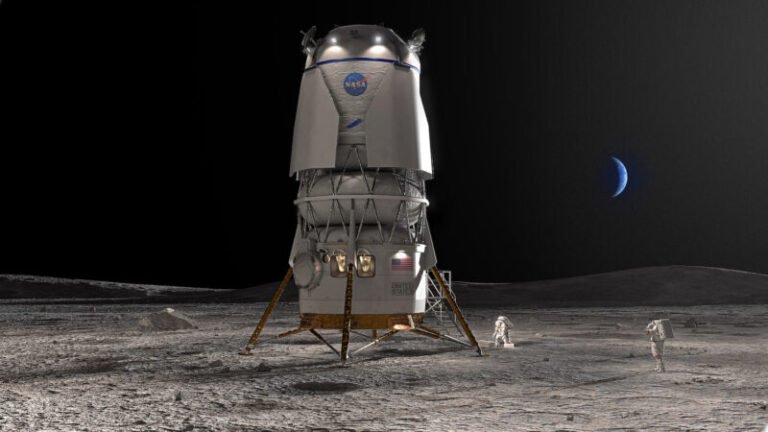
The Blue Moon Mark 2 lander is currently scheduled to make its debut in 2030, but with some modifications to its supporting infrastructure, it could potentially be ready at an earlier date. Credit: Blue Origin. In the spaceflight community, it can be fashionable to support one company or agency at the expense of others. Even well-known…
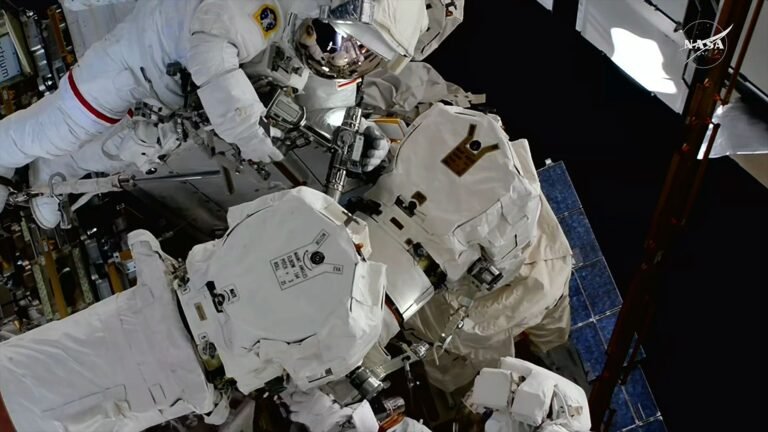
Two NASA astronauts gave a robotic arm a hand up — or rather, a replacement wrist joint — during a successful spacewalk outside the International Space Station on Tuesday (June 30). Chris Williams and Jessica Meir, both flight engineers on the station’s Expedition 74 crew, spent seven hours and 20 minutes repairing the Canadarm2 remote…
The sun is the most critical star in our solar system, and studying it is essential to understanding various solar phenomena, including solar flares, coronal mass ejections, and sunspots. Over the years, several space missions have been launched to study the sun and help us learn more about its behavior, characteristics, and impact on Earth and other…
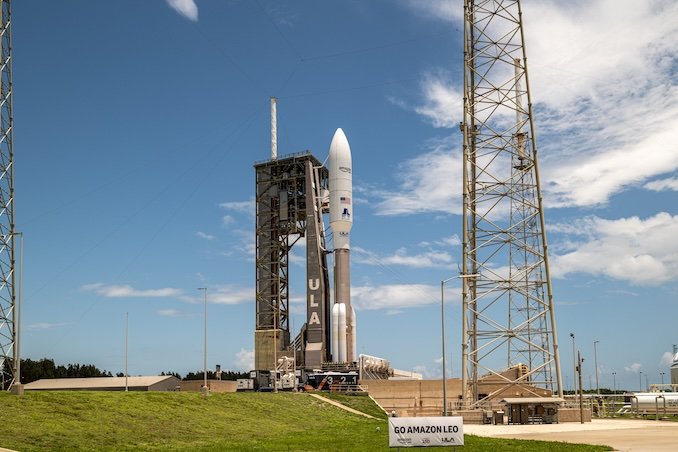
A United Launch Alliance Atlas 5 551 rocket stands at Space Launch Complex 41 at Cape Canaveral Space Force Station ahead of the Leo Atlas 8 (LA-08) mission launch. Image: John Pisani/Spaceflight Now Update July 2, 12:14 a.m. EDT (0414 UTC): ULA updated the T-0 liftoff time. United Launch Alliance is closing a big chapter…
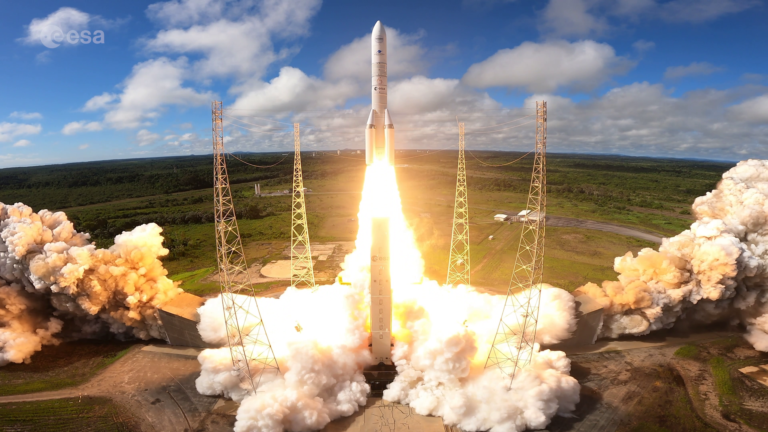
On 17 June at 09:21 local time (13:21 BST, 14:21 CEST), Ariane 6 flight VA269 soared to orbit from Europe’s Spaceport in French Guiana. 36 satellites for Amazon’s Leo constellation left Earth powered by four P160C-based boosters, the first time these upgraded boosters were used – making this launch the most powerful so far for…