Articles en français
Un recueil d'articles en français sur la recherche planétaire et l'exploration spatiale.
Un recueil d'articles en français sur la recherche planétaire et l'exploration spatiale.
Un recueil d'articles en français sur la recherche planétaire et l'exploration spatiale.
Un recueil d'articles en français sur la recherche planétaire et l'exploration spatiale.
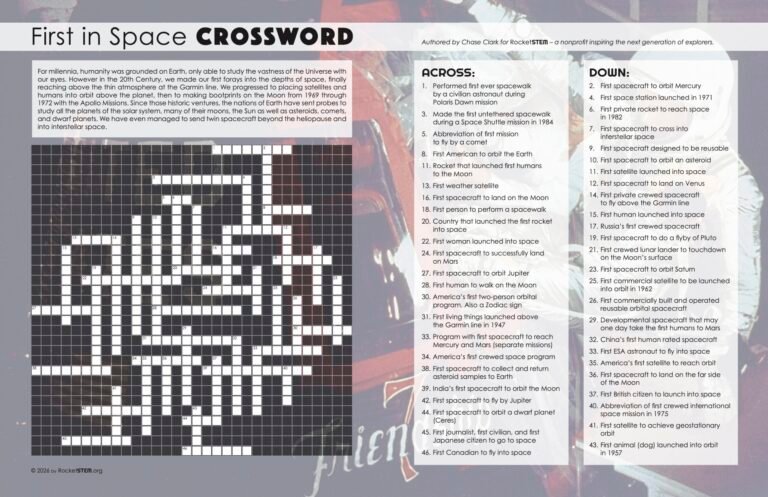
For millennia, humanity was grounded on Earth, only able to study the vastness of the Universe with our eyes. However in the 20th Century, we made our first forays into the depths of space, finally reaching above the thin atmosphere at the Garmin line. We progressed to placing satellites and humans into orbit above the…

Probably not, according to Eric Schwitzgebel, a distinguished professor of philosophy at the University of California, Riverside. In a new working paper, Schwitzgebel and Jeremy Pober, a former UCR graduate student who is now a postdoctoral researcher at the University of Lisbon, argue that conscious beings may be possible even if they are built from…
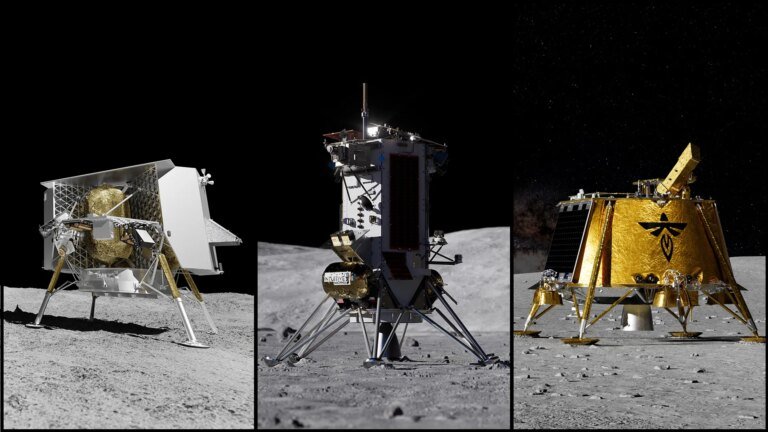
Editor’s note: This release was updated on June 30, 2026, to clarify the engineering development version for the PROMISE rover. NASA announced Tuesday the selection of three companies to land four new missions on the Moon in late 2028 as part of the agency’s Moon Base Program. Astrobotic, Firefly Aerospace, and Intuitive Machines will deliver…
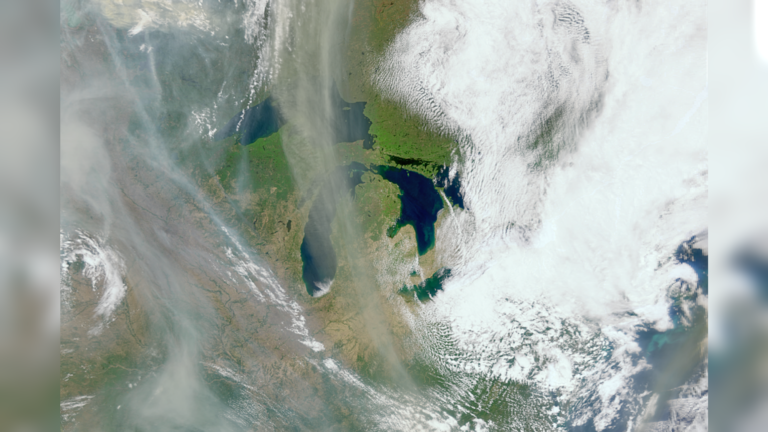
Swirls of wildfire smoke can be seen over Canada. (Image credit: NASA) Wildfires across the globe can be seen all the way from space. And one unexpected tool has come in handy to spot plumes of wildfire smoke: a satellite designed to study Earth’s oceans. What is it? In this photo, we can see swirls…
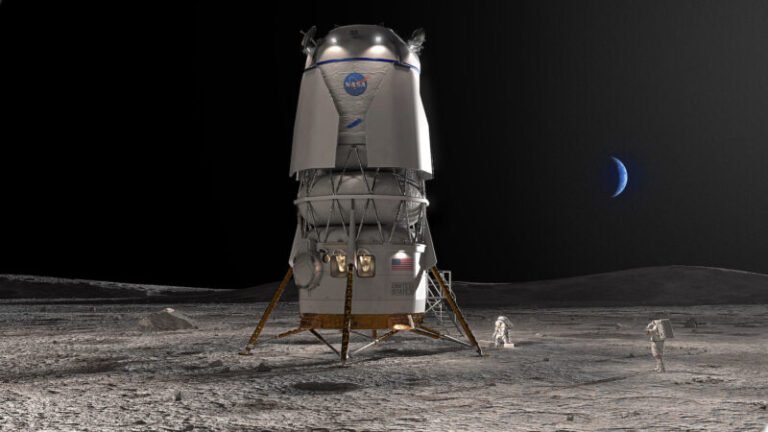
The Blue Moon Mark 2 lander is currently scheduled to make its debut in 2030, but with some modifications to its supporting infrastructure, it could potentially be ready at an earlier date. Credit: Blue Origin. In the spaceflight community, it can be fashionable to support one company or agency at the expense of others. Even well-known…
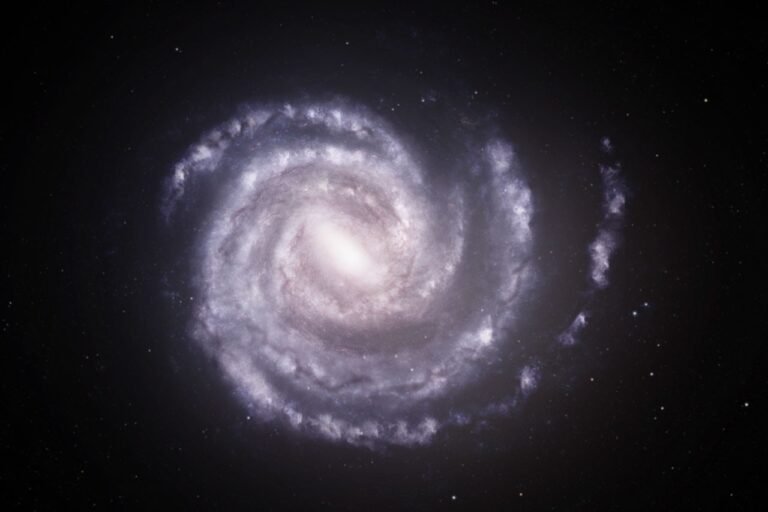
A new result using NASA’s Chandra X-ray Observatory shows that the outer spiral arms in the Milky Way galaxy may reach wider than previously thought. This finding may lead astronomers to adjust their understanding of our home galaxy’s structure. A team of astronomers made this discovery by making precise measurements of distances to dust clouds…